


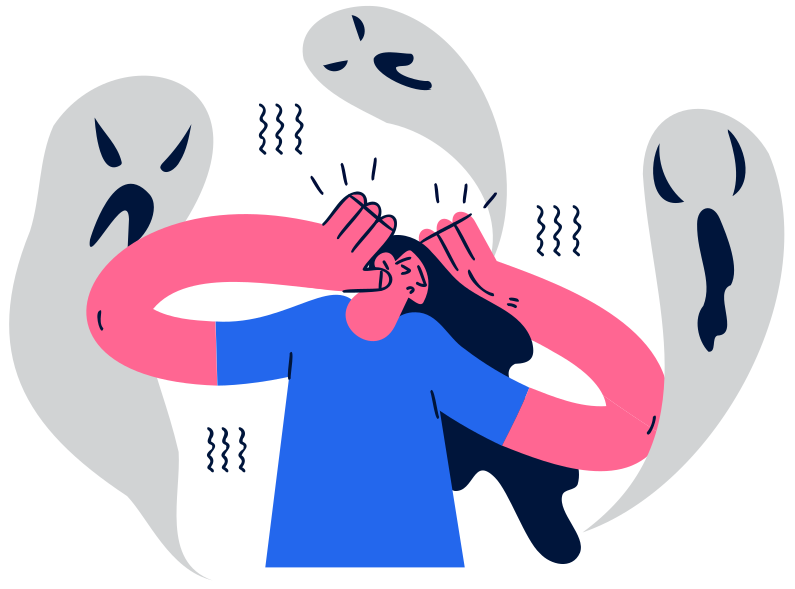

Harm Obsessive-Compulsive Disorder (OCD)
Safe & Sound: Silencing Fears of Causing Injury or Disaster
Harm OCD is a distressing form of obsessive-compulsive disorder characterized by intrusive thoughts of causing harm to oneself or others. These unwanted thoughts can provoke intense anxiety and guilt, leading to compulsive behaviors aimed at preventing these imagined harms. Bethesda Therapy provides specialized interventions to help individuals manage and overcome these fears, promoting healthier coping mechanisms and mental resilience.
What is Harm OCD?

Harm OCD manifests as an intense, often debilitating fear that one might unintentionally cause harm to others or oneself. Individuals with this condition are plagued by intrusive thoughts of violence or disaster, such as accidentally starting a fire or causing a car accident, despite no desire to harm anyone. These fears can be so overwhelming that they disrupt daily activities, leading to avoidance of common tools like kitchen knives or driving, out of fear that these might become instruments of unintended harm.
In the world, Harm OCD can make ordinary interactions incredibly stressful. For example, a parent might fear holding their child, worried they could somehow cause harm. Others might avoid social gatherings or public places where they fear their actions could lead to disastrous outcomes. This level of anxiety not only isolates individuals but can strain relationships, as the person struggles to articulate why they’re withdrawing from normal activities or why they repeatedly check safety devices like smoke alarms or car brakes.
Symptoms & Diagnosis of Harm OCD
Symptoms
- Recurrent, unwanted thoughts of harming oneself or others.
- Intense distress and anxiety related to these thoughts.
- Compulsive behaviors aimed at preventing harm, such as checking or avoiding knives and other potentially dangerous objects.
Diagnostic Criteria
- Presence of persistent, intrusive thoughts of harm that cause significant anxiety or distress.
- Engagement in compulsive behaviors or mental acts in response to the intrusive thoughts.
- Recognition by the individual that the obsessions and compulsions are excessive or unreasonable.
Impact on Daily Life & Emotional Well-being
Individuals with Harm OCD often experience a severe impact on their daily life, finding themselves avoiding situations where they fear they might cause harm. This can lead to social isolation and difficulties in personal relationships and workplace settings. The constant battle with their thoughts can also lead to chronic anxiety, decreased concentration, and diminished overall quality of life.
In family and social settings, the fear of causing harm can prevent individuals from engaging in normal physical interactions, such as hugging loved ones, out of an unfounded fear of causing them injury.
Treatment Options for Harm OCD
Bethesda Therapy specializes in treatments that have been proven effective for managing Harm OCD, including Cognitive Behavioral Therapy (CBT) and Exposure and Response Prevention (ERP). These therapies work by helping individuals confront their fears in a controlled environment, gradually reducing the anxiety associated with these thoughts.
Treatment Modalities
- Cognitive Behavioral Therapy (CBT): Helps patients identify and change destructive thought patterns.
- Exposure and Response Prevention (ERP): Involves exposure to the thoughts of harm without engaging in compulsive behaviors.
Coping Strategies & Self-help Tips
- Practice mindfulness and relaxation techniques to manage anxiety.
- Set small, achievable goals for gradually facing fears.
- Maintain a routine to help manage stress.
- Keep a journal to document thoughts and progress.

Local Resources in Maryland, DC, & Virginia
We are committed to providing comprehensive support and resources for those dealing with Harm OCD in the Maryland, Washington D.C., and Virginia areas. Bethesda Therapy offers access to expert therapists and a supportive community that can assist in recovery.
Bethesda Therapy’s Dedication to Specialized Harm OCD Treatment
Local Resources in Maryland, DC, & Virginia
We are committed to providing comprehensive support and resources for those dealing with Harm OCD in the Maryland, Washington D.C., and Virginia areas. Bethesda Therapy offers access to expert therapists and a supportive community that can assist in recovery.
Dedicated Expertise in Harm OCD
Our therapeutic approach is specifically designed for individuals struggling with Harm OCD. By focusing on therapies like CBT and ERP, we help our clients navigate the complexities of their condition and find pathways to relief and recovery.
Comprehensive Care & Support
At Bethesda Therapy, we understand the deep impact Harm OCD can have on all areas of life. Our team offers a comprehensive range of services designed to support our clients throughout their treatment journey.
Evidence-Based Treatment Strategies
We are committed to employing the most effective, research-backed strategies in treating Harm OCD. Our clients benefit from a treatment plan that is continuously updated to include the latest advancements in OCD therapy.
Getting Started with Bethesda Therapy
We understand that seeking help can be a big step, but remember, you’re not alone. We’re here to support and guide you on your journey towards a more manageable life. Scheduling a consultation with us is straightforward and the first step towards recovery. Fill out our intake form to book your appointment. Be assured, your confidentiality is our top priority, and we’re committed to providing you with the highest level of care. Take that first step today – we look forward to assisting you.

Featured In


What Colleagues Say About Us

Rose Bleiweis
LCSW-C
Melissa is determined, hard-working, and provides a range of therapeutic interventions. She is committed to professional development to further her clinical skills.

Jen Lodico
LCSW-C

Beth Cocker
LCSW-C
Melissa Murphy is a wonderful therapist. She is kind, non-judgmental and empathetic. She truly understands her client’s needs and takes into account the whole-person. I do not hesitate to refer clients to Melissa and enjoy collaborating with her on cases. She is an excellent therapist with expertise in anxiety, depression, and OCD.
